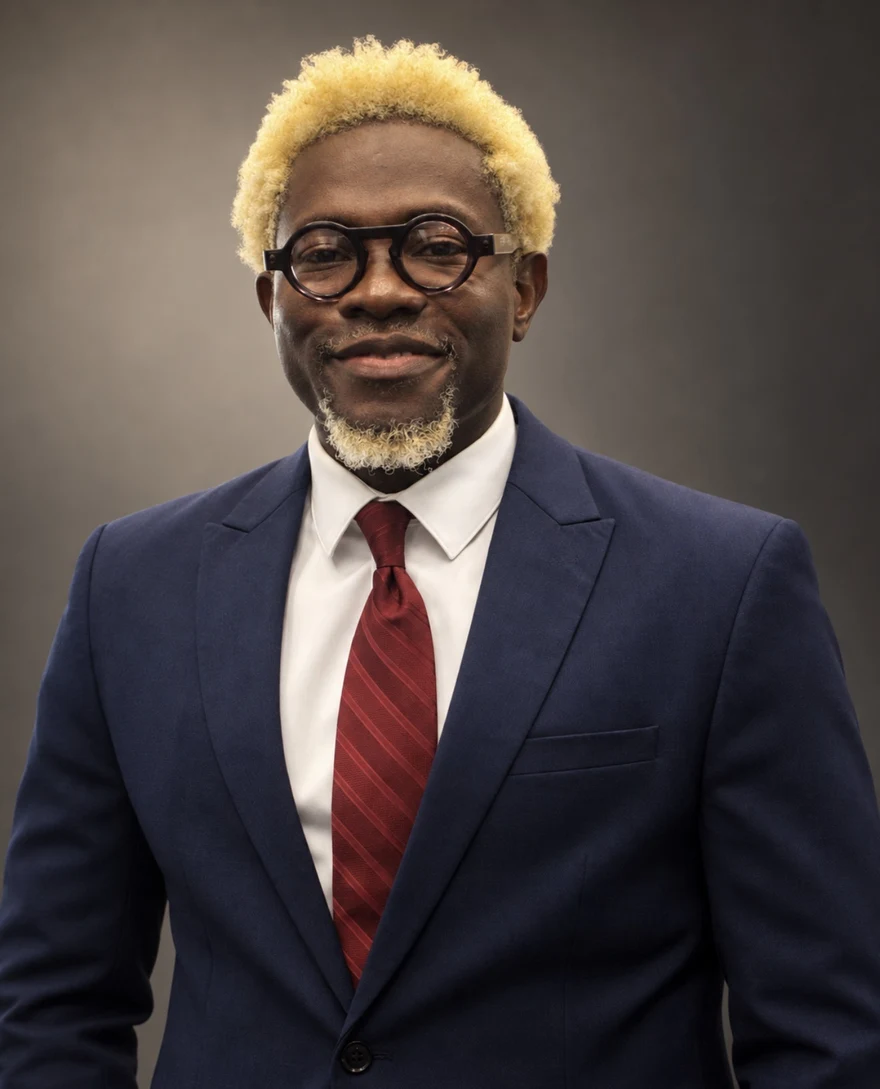
My background spans healthcare leadership, including roles with the U.S. Peace Corps, International SOS, and West African Rescue Association. My education has taken me across Ghana, Japan, the United Kingdom, and the United States. Those are different settings, but they belong to one larger commitment: understanding people, expanding their capacity, and building practical responses to human needs.
That commitment now finds expression through MyDoc Health Solutions, Dunamis Global Media, Energeo Systems, and Jeremiah Builders. Healthcare, communication, energy, and the built environment may occupy different sections of a corporate directory. In a person’s life, they meet at the same address.
A family needs care, reliable power, a decent place to live, and access to useful information. The human being at the center of that picture is the reason the connections matter.
My faith gives this work its moral direction. I believe I am called to heal minds, build nations, and ignite faith. I want that conviction to be visible in the quality of the work: how people are treated, how decisions are made, and whether a promise becomes something useful.
There is room for prayer in that approach. There is also room for a budget, a timetable, and somebody checking whether the invoice was paid.
I believe entrepreneurship can turn personal gifts into structures that serve communities and endure across generations. A compelling vision deserves that kind of practical care. It needs responsibilities, resources, feedback, and a next step that somebody can actually take.
This is also how I want to think about productivity. If a priority matters, give it a place in the calendar. If a task recurs, give it a workable process. If evidence challenges the plan, review it. Inspiration is welcome; it should not have to run the entire operations department.
Communication belongs inside this work. Through teaching, writing, the Big Ups To Dream Chasers podcast, and my creative work with MCD Music & Entertainment, I explore how ideas can travel beyond the room in which they were first spoken. A book can invite reflection. A conversation can open a possibility. Music can carry an idea into places a formal presentation may never reach.
I want my writing to respect both the reader’s intelligence and the reader’s time. Give people something clear enough to understand, substantial enough to examine, and useful enough to act on. A reader has a life to return to after the final paragraph.
My interest in Africa’s future sits within that same commitment. My public writing has emphasized enterprise, capable institutions, evidence-informed policy, and collective responsibility. I see builders throughout that picture: entrepreneurs, farmers, educators, clinicians, engineers, artists, and public servants. Their work deserves conditions in which it can flourish.
And yes, the person thinking about institutions and infrastructure also has a strong affection for Papaye and Fanice. A serious development agenda can accommodate an ice-cream stop.
Ultimately, I want the different expressions of my work to make one promise recognizable: helping people develop the understanding, confidence, and practical capacity to build.
The future belongs to builders. My responsibility is to keep becoming one—and to help others discover what they can build, too.